Legends Ford Coupe
Conoce todo sobre el Legends Ford Coupe de iRacing, incluyendo especificaciones técnicas, consejos de frenado y más.
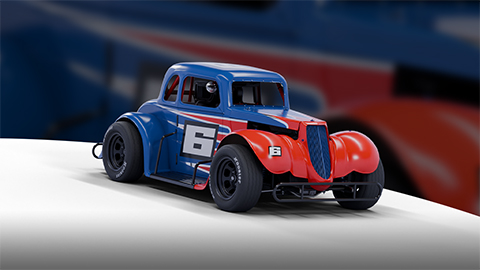
Image © iRacing.com Motorsport Simulations
Chassis
Power
Brakes
Bias Range
Adjustable
ABS
None
Downforce
Medium
Setup
Advanced
How the Legends Ford Coupe Handles Braking
El sistema de frenado del Legends Ford Coupe refleja su diseño ligero y enfocado en la inercia. Con solo 571 kg incluyendo piloto, el coche genera poco calor al frenar pero exige precisión en la gestión de transferencia de peso. El sesgo de freno ajustable se convierte en tu herramienta principal para equilibrar el agarre delantero-trasero, especialmente importante dado el eje trasero rígido que puede desestabilizar la rotación si los frenos traseros se bloquean prematuramente. La ausencia de significa que el frenado umbral es esencial: estás gestionando directamente los límites de agarre mecánico. Los ajustes de sesgo de freno interactúan fuertemente con la configuración mecánica del coche. Mayor sesgo delantero estabiliza la entrada pero puede comprometer la rotación, especialmente en óvalos donde ya estás luchando contra la resistencia al giro del eje rígido. Menor sesgo ayuda a rotar pero arriesga inestabilidad trasera, particularmente durante el frenado en curva en circuitos. Comienza cerca del 50% y ajusta según si luchas contra subviraje (aumenta sesgo delantero) o sobreviraje (reduce sesgo delantero) en la entrada. La transmisión manual añade una consideración crítica de frenado: debes hacer punta-tacón al reducir para igualar las revoluciones del motor y las ruedas. Un mal emparejamiento de revoluciones crea rebotes en las ruedas traseras que desestabilizan el chasis en plena frenada, destruyendo tu línea de entrada. Practica aceleraciones suaves y deliberadas al reducir: el volante de inercia ligero responde rápido, así que pequeños toques de acelerador son suficientes para mantener la trasera plantada en las zonas de frenado.
Deja de Adivinar, Empieza a Mejorar
Muchos pilotos frenan con toda su fuerza, pero los más rápidos modulan la presión, usan el freno para rotar el coche y salen lo más rápido posible. Entrena esa habilidad aquí.
Entrena Donde Sea, Cuando Sea
Entrenamiento desde el navegador compatible con cualquier pedal o controlador de carreras. Fanatec, Thrustmaster, Logitech, Simucube — sin instalación requerida.
Ejercicios Diseñados por Profesionales
Accede a ejercicios creados por sim racers profesionales como Suellio Almeida. Aprende los patrones exactos de frenado que usan los pilotos más rápidos.
Importa Telemetría del Legends Ford Coupe
Suelta tu CSV de Garage61 y extrae datos de frenado de cada curva. Genera ejercicios personalizados basados en TU telemetría, no en patrones genéricos.
Sigue Tu Progreso
Visualiza historial de sesiones, tendencias de rendimiento y mejores puntuaciones. Observa cómo mejoras con el tiempo y mantente motivado para practicar.
And There's Much More
Improve your braking technique with this car and much more:
Create Custom Exercises
Build from templates, draw brake curves, or record with your pedal
Schedule Your Training
Plan practice sessions and track your consistency across weeks
Brake Master Ratings
Earn rankings and compete on leaderboards as you improve
Exercises & Progress Tracking
Practice exercises and track your progress completely free.
No install needed • Works in browser
3 Essential Setup Tips
Tip 1
Brake Bias
Brake bias controls front/rear brake force distribution. Start with 56-58% front for most cars. Engine placement matters: front-engine cars need more front bias (58-62%), mid-engine cars run balanced (54-58%), rear-engine cars need less (50-54%). Understeering under braking? Add 1-2% front bias. Rear feels loose in braking zones? Reduce front bias by 1-2%.
Tip 2
Know Your Car
Check if your car has ABS, traction control, or brake mapping. ABS allows later braking but can increase stopping distance—adjust activation threshold in setup. High-downforce cars brake later and harder at speed but lose grip quickly as downforce bleeds off. Low-downforce cars require earlier, progressive braking with more trail-braking to rotate.
Tip 3
Quick Fixes
Locking fronts frequently? Reduce front bias 1-2% or brake earlier with gradual pressure. Car won't turn in under braking? Increase front bias 1% and practice trail-braking deeper into corners. Rear unstable in braking zones? Reduce rear bias or use smoother pedal release.
Master Your Braking
Common questions about braking in this car. Practice these techniques in our free app.
What's the best brake bias for the Legends Ford Coupe?
What's the best brake bias for the Legends Ford Coupe?
Does the Legends Ford Coupe have ABS or traction control?
Does the Legends Ford Coupe have ABS or traction control?
Why do my brakes lock up in the Legends Ford Coupe?
Why do my brakes lock up in the Legends Ford Coupe?
How late can I brake in the Legends Ford Coupe compared to similar cars?
How late can I brake in the Legends Ford Coupe compared to similar cars?
How can I practice braking in the Legends Ford Coupe?
How can I practice braking in the Legends Ford Coupe?
Explora MásOther Coches
Coches similares que podrían interesarte
¿Listo para Dominar el Legends Ford Coupe?
Pon en práctica este conocimiento con los ejercicios interactivos de frenado de Braking Lab. Importa tu telemetría y recibe retroalimentación personalizada.